Ecommerce Web Design: Impact on Retail Success

Over ninety percent of British consumers expect seamless shopping experiences when browsing online. For ecommerce managers striving to keep retail brands ahead of fierce competition, your choice of design and platform can make or break customer loyalty. Discover how Magento and Shopify support innovative design, reliability, and performance, giving UK retailers the tools to create online stores that truly deliver.
Table of Contents
- Ecommerce Web Design Defined And Debunked
- Core Principles For High-Performing Online Stores
- Magento Vs Shopify: Choosing Your Platform
- Key Features For Conversion And Retention
- Performance, Security And Compliance Risks
Key Takeaways
| Point | Details |
|---|---|
| Ecommerce Web Design Essentials | Effective ecommerce design integrates aesthetics, usability, and technical functionality to enhance customer experience and drive conversions. |
| High-Performance Store Features | High-performing online platforms focus on seamless usability, rapid loading times, and robust security to foster trust and encourage repeat purchases. |
| Platform Selection Considerations | The choice between Shopify and Magento should align with business size, technical capabilities, and future growth plans to ensure optimal functionality. |
| Ongoing Risk Management | Regularly assess performance, security vulnerabilities, and compliance risks to maintain customer trust and ensure ongoing success in the ecommerce landscape. |
Ecommerce Web Design Defined And Debunked
Ecommerce web design represents the strategic process of creating online digital storefronts that seamlessly blend visual aesthetics, user experience, and technical functionality. Unlike traditional website design, ecommerce platforms require a nuanced approach that directly impacts retail success by transforming digital spaces into compelling shopping environments.
At its core, effective ecommerce web design goes far beyond simple page layouts. Modern design strategies prioritise creating intuitive, responsive experiences that guide customers smoothly from product discovery to purchase. This involves carefully crafting elements like:
- Clear navigation pathways
- Mobile-responsive interfaces
- Secure and streamlined checkout processes
- High-quality product imagery
- Compelling product descriptions
- Trust signals and customer reviews
The technical infrastructure behind ecommerce design requires sophisticated integration of multiple components. Platforms must support complex requirements including:
- Dynamic product catalogues
- Secure payment gateways
- Inventory management systems
- Customer account management
- Performance tracking and analytics
Conversion-focused design means every visual and functional element must serve a strategic purpose. Usability research emphasises that effective ecommerce websites balance aesthetic appeal with functional clarity, ensuring customers can navigate, understand, and purchase products with minimal friction.
Expert Tip: Conduct regular user testing and analyse heatmap data to continuously refine your ecommerce website’s design and user experience performance.
Core Principles For High-Performing Online Stores
High-performing online stores are not simply digital catalogues, but sophisticated platforms designed to deliver exceptional customer experiences and drive retail success. These digital ecosystems require strategic thinking and meticulous implementation of key design principles that transform casual browsers into committed customers.
Systematic research reveals multiple critical success factors that distinguish top-performing online retail platforms. These factors extend beyond aesthetic considerations and encompass comprehensive strategies including:
- Seamless site usability
- Efficient and intuitive navigation
- Compelling marketing techniques
- Transparent delivery processes
- Robust site performance and security
The technical foundation of high-performing online stores demands a multifaceted approach. Performance metrics indicate that successful digital storefronts prioritise rapid loading times, mobile responsiveness, and frictionless user journeys. This means investing in:
- Advanced hosting infrastructure
- Optimised page load speeds
- Responsive design across devices
- Streamlined checkout processes
- Comprehensive security protocols
Customer confidence emerges from a combination of visual design, functional performance, and transparent communication. Online stores must create digital environments that inspire trust, showcase products effectively, and provide clear, accessible information throughout the purchasing journey.

Expert Tip: Implement continuous A/B testing to systematically refine your online store’s design, focusing on conversion rate improvements and user experience enhancements.
Magento Vs Shopify: Choosing Your Platform
Selecting the right ecommerce platform represents a critical strategic decision that can fundamentally shape a retailer’s online success. Each platform offers distinct advantages tailored to different business requirements and technical capabilities, making the choice far more nuanced than a simple feature comparison.
Shopify emerges as an ideal solution for small to medium-sized businesses seeking a straightforward, user-friendly approach. Its key strengths include:
- Drag-and-drop website builder
- Built-in security features
- 24/7 customer support
- No coding knowledge required
- GDPR compliance
- Rapid deployment
Magento, conversely, represents a powerful option for larger enterprises demanding extensive customisation and complex functionality. Its core advantages encompass:
- Open-source architecture
- Comprehensive customisation options
- Scalable infrastructure
- Advanced product management
- Multilingual and multi-currency support
- Sophisticated integration capabilities
The fundamental difference lies in their target markets. Shopify simplifies ecommerce for entrepreneurs and small brands, while Magento provides a robust framework for established businesses with dedicated technical resources. Your platform selection should align closely with your current operational capabilities, future growth projections, and specific technical requirements.
Expert Tip: Conduct a comprehensive audit of your technical team’s capabilities and long-term business strategy before committing to an ecommerce platform.
Here’s a concise comparison of key considerations when choosing between Magento and Shopify:
| Factor | Shopify Advantage | Magento Advantage |
|---|---|---|
| Ease of Use | No code required, very intuitive | Requires technical skills |
| Customisability | Limited but quick custom options | Robust advanced custom features |
| Scalability | Best for SMEs and startups | Ideal for large, growing enterprises |
| Initial Setup Cost | Lower upfront expenses | Higher development and setup costs |
| Ongoing Maintenance | Platform handles most updates | Regular manual updates necessary |
| Expansion Internationally | Simple multi-currency options | Extensive multilingual infrastructure |
Key Features For Conversion And Retention
Successful ecommerce platforms recognise that attracting customers represents only half the battle. Advanced data-driven strategies are crucial for transforming casual visitors into loyal, returning customers, requiring sophisticated approaches to engagement and personalisation.
Customer retention strategies encompass multiple interconnected elements that build trust and encourage repeat purchases. These critical features include:
- Transparent delivery policies
- Comprehensive return processes
- Personalised product recommendations
- Customer segmentation techniques
- Trust-building review systems
- Responsive customer support channels
UK ecommerce markets demonstrate that customer loyalty hinges on creating predictable, reliable experiences tailored to specific demographic needs. This means developing nuanced approaches that go beyond generic marketing tactics:
- Understand customer behaviour patterns
- Create targeted communication strategies
- Implement dynamic pricing models
- Develop personalised engagement pathways
- Utilise predictive churn analysis
Successful retention requires viewing customers as unique individuals with specific preferences, not anonymous transactions. By leveraging advanced data analytics and machine learning technologies, online retailers can create increasingly sophisticated, personalised shopping experiences that adapt in real-time to individual customer needs and expectations.
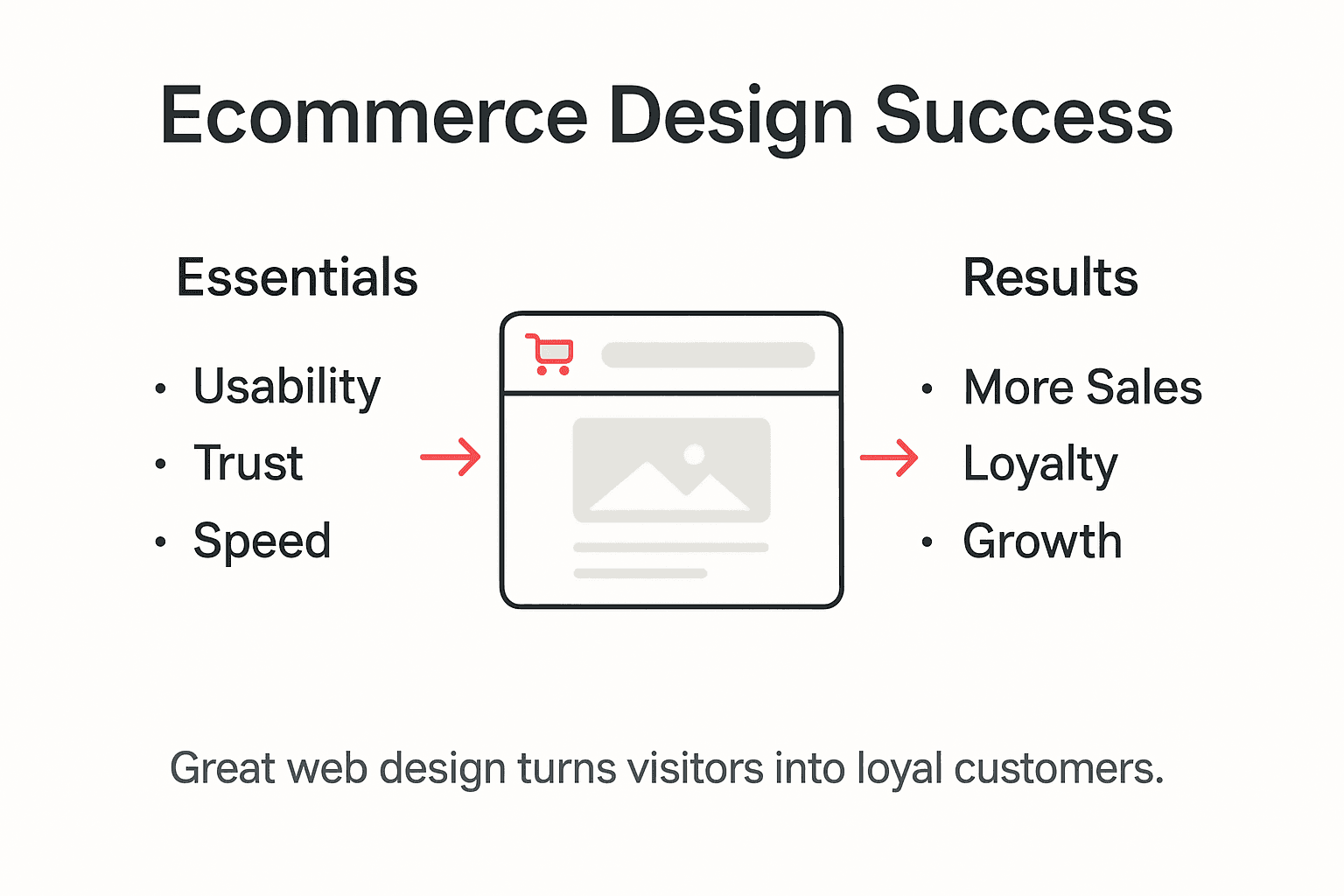
Expert Tip: Invest in advanced customer analytics tools that provide granular insights into individual purchasing behaviours and preferences.
Performance, Security And Compliance Risks
Ecommerce platforms represent complex digital ecosystems where performance, security, and legal compliance intersect critically. UK businesses must navigate intricate regulatory landscapes that demand rigorous data protection and transparent communication strategies, transforming compliance from a mere legal requirement into a fundamental trust-building mechanism.
Performance risks encompass multiple technical dimensions that can dramatically impact online retail success:
- Server response times
- Database query efficiency
- Content delivery network (CDN) performance
- Mobile responsiveness
- Scalability under high traffic
- Real-time inventory management
Security vulnerabilities require comprehensive, multilayered protection strategies addressing potential threats:
- Payment gateway encryption
- Regular security patch management
- Robust user authentication protocols
- Protection against SQL injection
- Cross-site scripting prevention
- Secure API integrations
Compliance represents more than checkbox management. Modern ecommerce platforms must implement dynamic frameworks that continuously adapt to evolving regulatory requirements, ensuring customer data remains protected while maintaining seamless user experiences. This involves developing transparent policies, implementing consent management systems, and creating clear communication channels about data usage.
Expert Tip: Conduct quarterly comprehensive security audits and maintain a proactive approach to identifying and mitigating potential digital vulnerabilities.
The following table summarises the major risks facing ecommerce platforms and their potential business impact:
| Risk Category | Example Issue | Potential Business Impact |
|---|---|---|
| Performance | Slow page loads | Revenue loss, customer drop-off |
| Security | Data breach | Loss of trust, regulatory penalties |
| Compliance | Non-GDPR compliant processes | Fines, reputational damage |
| Scalability | Site crashes under high traffic | Missed sales, negative PR |
Elevate Your Ecommerce Success with Expert Design and Support
The article highlights the critical role that ecommerce web design plays in retail success by focusing on intuitive navigation, seamless user experience, and secure checkout processes. Many online retailers struggle with complex platform choices and performance challenges that directly affect conversion and customer retention. If you want to overcome these obstacles and transform your digital storefront into a high-performing sales engine, expert guidance is essential.
At Big Eye Deers, we specialise in delivering tailored ecommerce solutions that integrate the best of Magento and Shopify platforms. With over 17 years of experience, we understand the importance of UX-led design, robust security, and performance optimisation to help your business thrive. From custom catalogues and ERP integrations to lifecycle marketing and advanced onsite search capabilities, our approach covers every aspect you need for growth.

Ready to enhance your ecommerce platform with proven strategies that drive results? Discover how our team can design, build, and support a secure and scalable online store specifically tailored for your retail goals. Visit Big Eye Deers today to start your journey to retail success. Explore our Magento and Shopify expertise and unlock the full potential of your online business now.
Frequently Asked Questions
What is ecommerce web design?
Ecommerce web design refers to the strategic process of creating online stores that combine visual appeal, user experience, and technical functionality to facilitate smooth shopping experiences and drive retail success.
How does effective ecommerce web design impact sales?
Effective ecommerce web design enhances user experience by providing intuitive navigation, secure checkout processes, and compelling product displays, which can lead to higher conversion rates and increased sales.
What are the core principles of a high-performing online store?
Core principles include seamless usability, efficient navigation, robust site performance, engaging marketing techniques, and transparent delivery processes, all aimed at enhancing customer satisfaction and loyalty.
How do Magento and Shopify differ as ecommerce platforms?
Magento offers extensive customisation and is ideal for larger enterprises, while Shopify is user-friendly with rapid deployment options, making it suitable for small to medium-sized businesses. Your choice should depend on your business size and technical capabilities.
Recommended



Adobe Commerce (Magento)
Formerly known as Magento, Adobe Commerce is built for complex catalogues, integrations, and long term growth. We design and develop stable, scalable stores that support demanding eCommerce requirements, including multi-store setups, complex pricing, and Hyva based performance improvements.

Bespoke Build
We design and build custom eCommerce platforms for businesses with complex workflows, integrations, or non standard requirements. Built from scratch around your business needs using Laravel and modern architectures.

Working with brands across the UK from our offices in Cardiff and Exeter, you deal directly with a senior team of designers and developers specialising in Shopify, Magento, WordPress and bespoke eCommerce platforms.
We focus on commercial outcomes. Better conversion rates, strong SEO foundations and eCommerce platforms that continue to improve long after launch.